Applications
The same cutting platform, set up four different ways. What changes between them is the film, the batch size and who is standing at the machine.
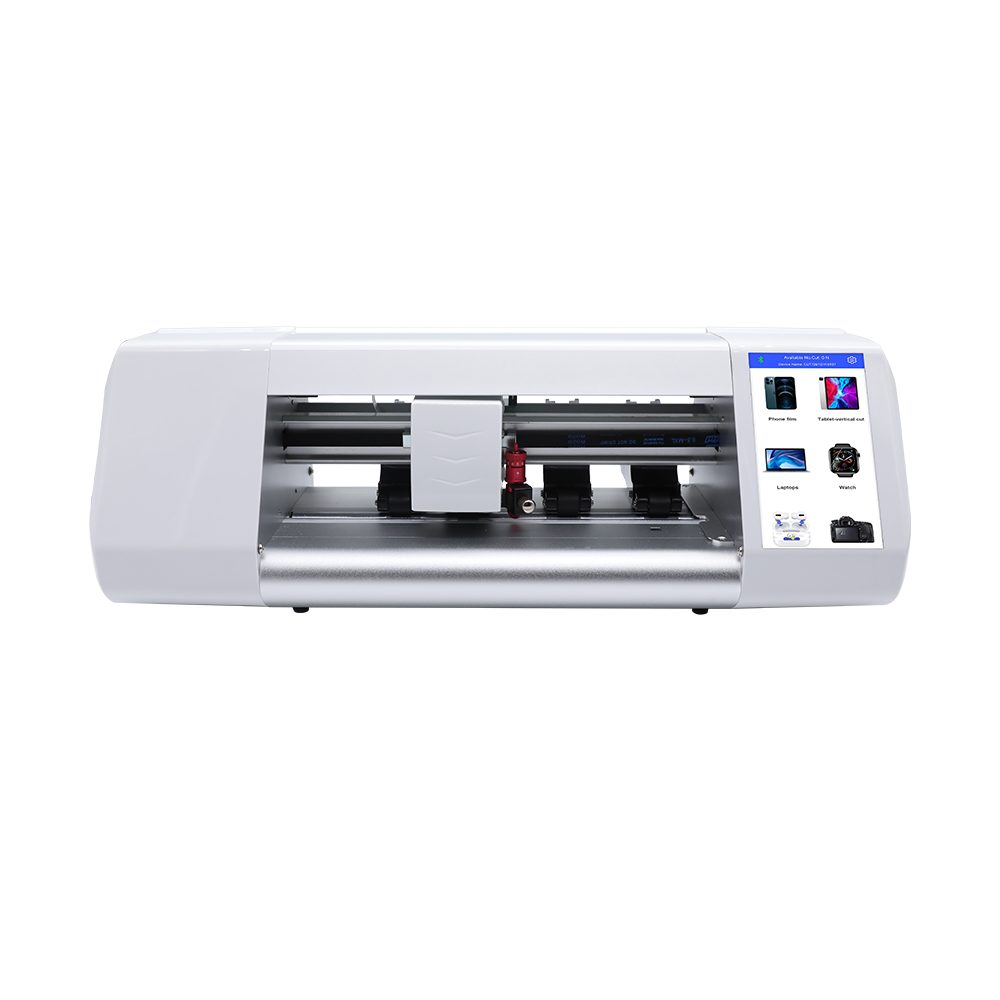
Phone repair shops
Cut the protector when the customer is standing there. The job is not throughput, it is never saying “come back tomorrow” — so the machine has to hold tolerance on hard-coated film from the first cut of the day to the last.
- Typical setupOne cutter on the counter, a tablet or phone app to pick the model, one or two film grades in stock.
- VolumeA few dozen pieces a day, mixed models.
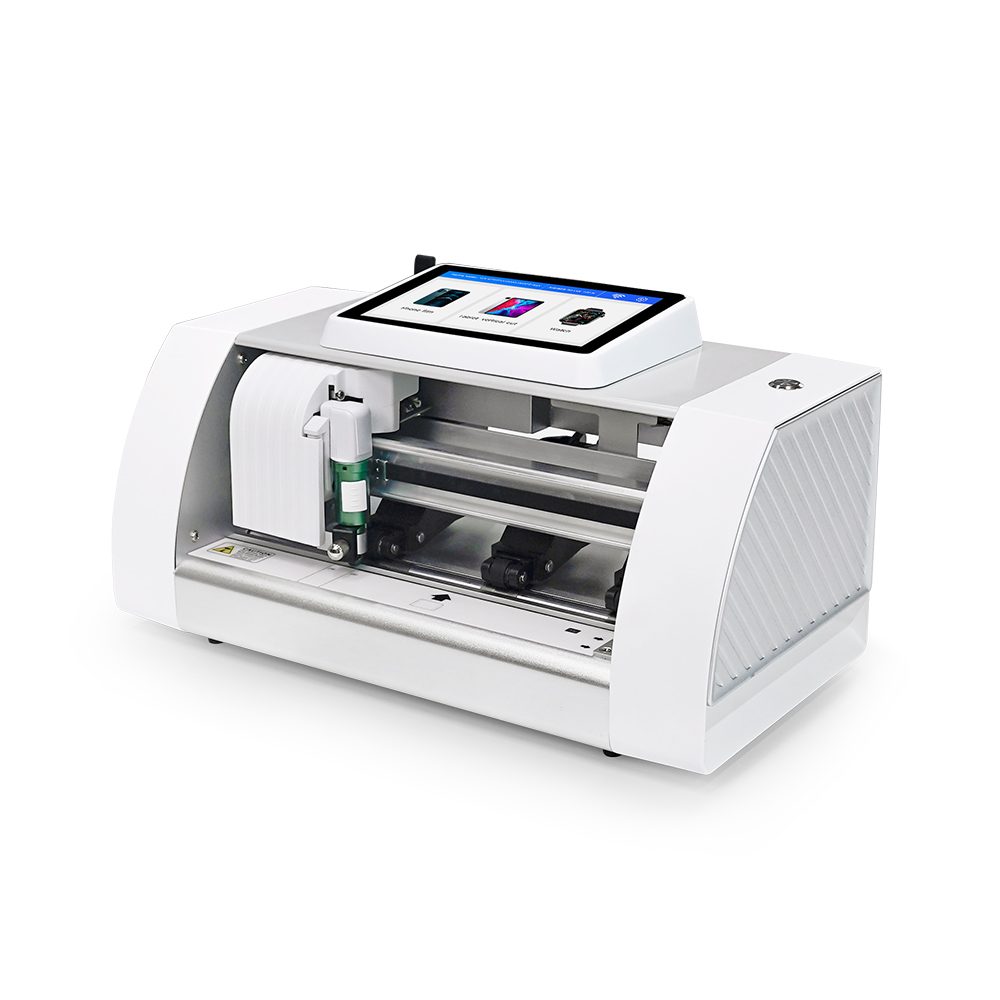
Custom print and sign shops
Screen protectors are one job among many: today a batch of one model, tomorrow a run of another. What matters here is switching jobs without recalibrating, and cutting printed or laminated stock without tearing the edge.
- Typical setupA wide-bed cutter next to the printer, template library on the same network.
- VolumeShort runs, frequent changeover.
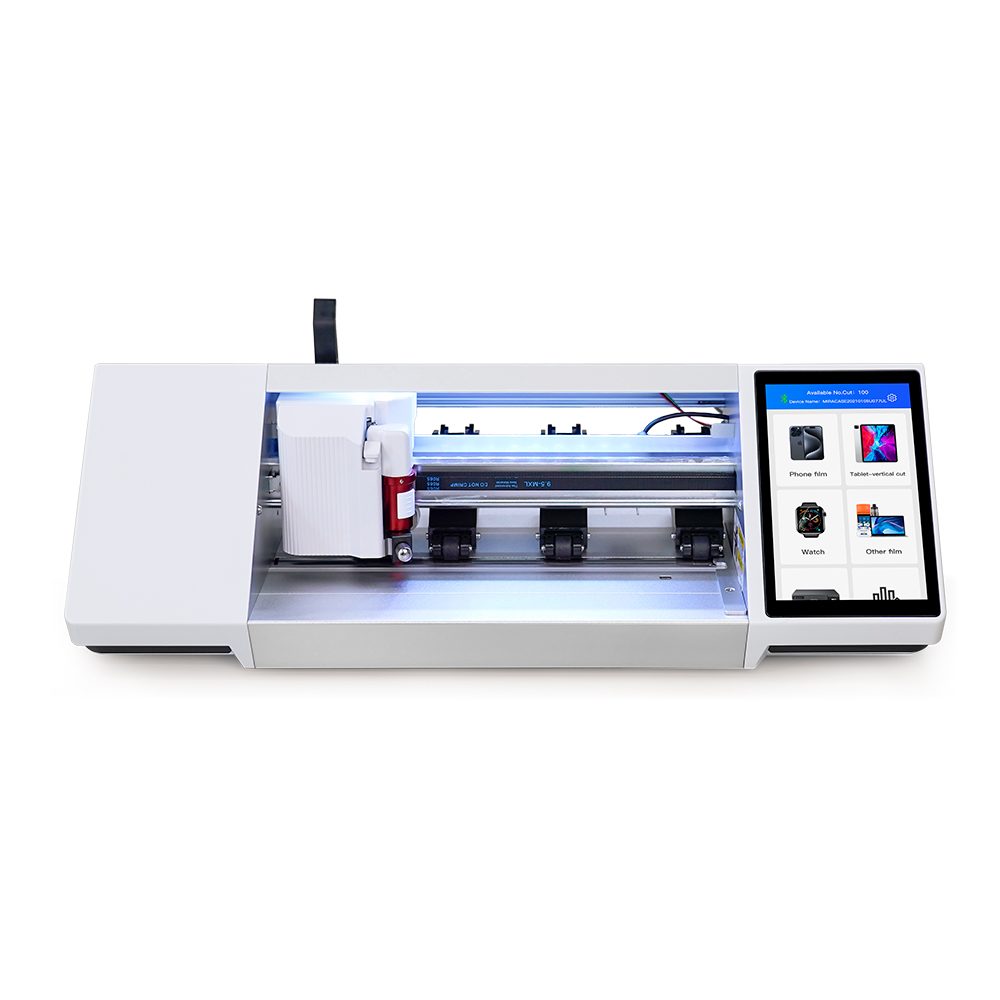
Screen protector brands
Consistency across a production run is the whole product. A brand cannot ship a batch where the edge sits 0.3 mm off on every tenth piece — that is a return, not a defect report.
- Typical setupHardness film on 120 × 196 mm sheets, in-house QC on the finished piece.
- VolumeHigher volume, tighter tolerance.
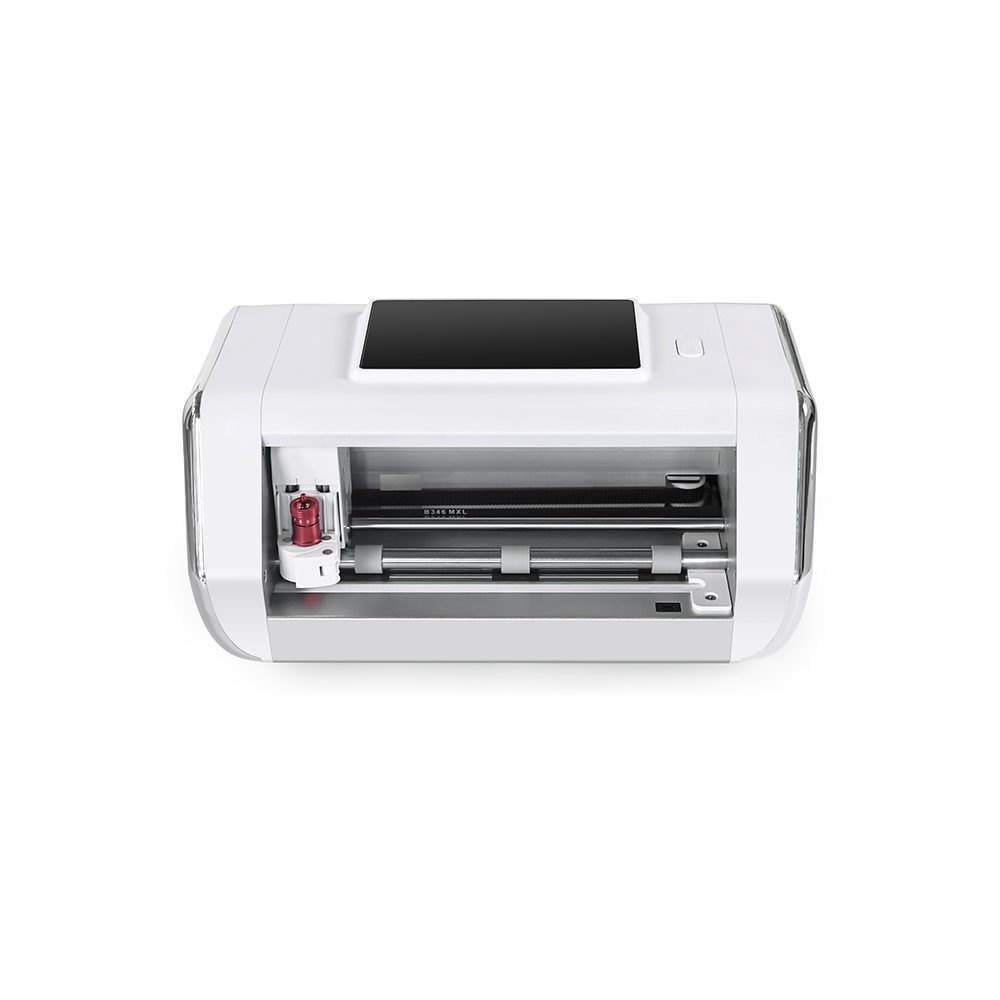
Distributors and OEM projects
You are not buying one machine, you are stocking a range and supporting the shops that buy it. That means blade supply, template updates and a spec sheet that matches what actually arrives.
- Typical setupMixed machine range, spare blades and film in the same shipment.
- VolumeMulti-unit, repeat orders.
Not on this list?
Tell us what you cut and how many a day. If a standard series will not hold the tolerance, we will say so rather than sell you the nearest one.